
Why Wallet Security Matters
In traditional finance, banks can reverse fraudulent transactions and restore stolen funds. In cryptocurrency, transactions are irreversible. If someone gains access to your wallet, your funds are gone forever with no recourse.
Understanding Wallet Types
Hot Wallets
Hot wallets are connected to the internet, making them convenient but more vulnerable to attacks.
Examples: MetaMask, Trust Wallet, Exchange wallets
Best for: Small amounts for daily transactions
Cold Wallets
Cold wallets store your keys offline, providing maximum security at the cost of convenience.
Examples: Ledger, Trezor, Paper wallets
Best for: Long-term storage of significant holdings
Hardware Wallets
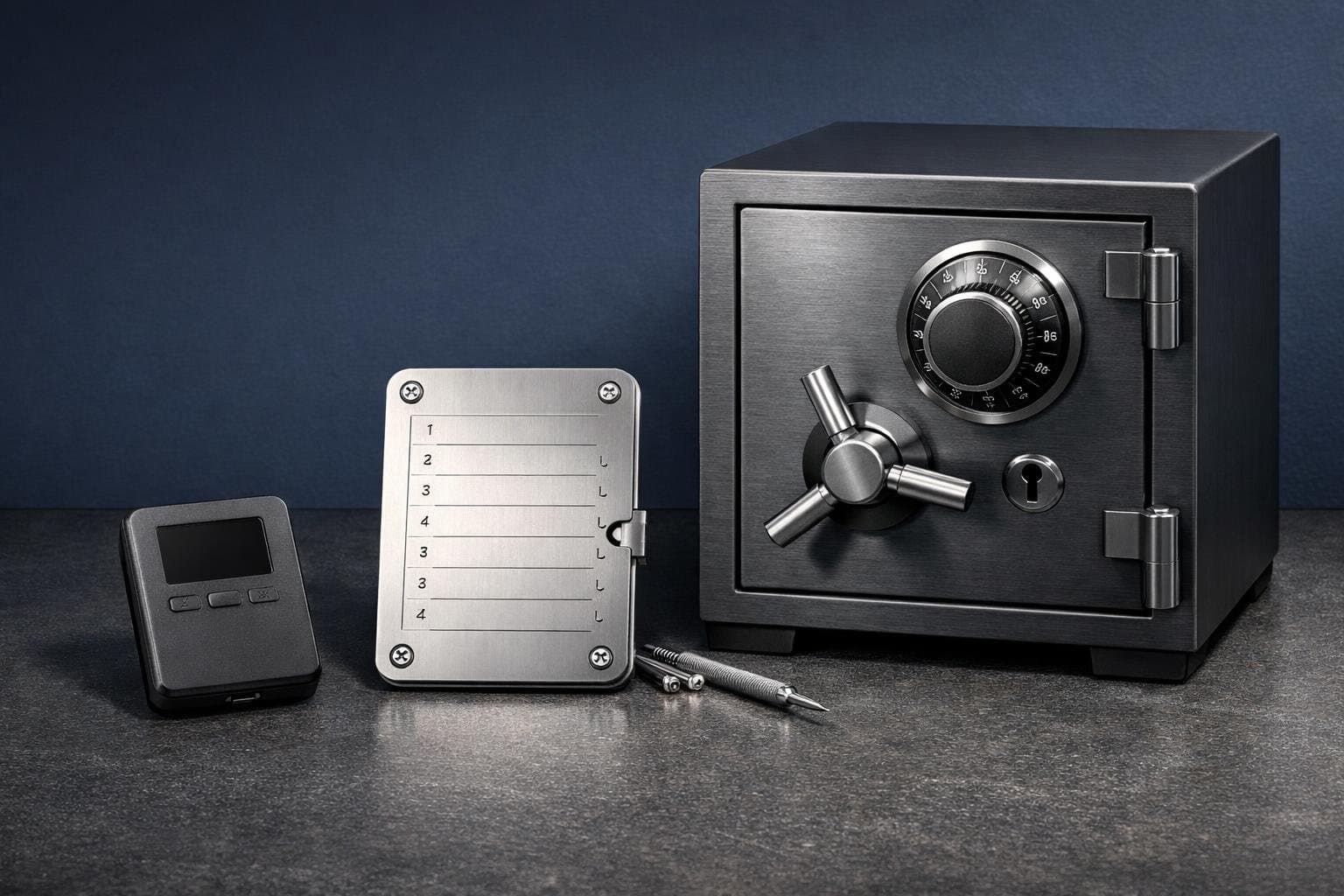
Hardware wallets are physical devices that store your private keys offline and require physical confirmation for transactions.
Advantages:
- Keys never touch an internet-connected device
- Resistant to malware and phishing
- Physical button confirmation prevents remote theft
Seed Phrase Security: The Most Critical Element
Your seed phrase (recovery phrase) is a 12 or 24-word sequence that can restore your wallet on any compatible device. It is, essentially, your entire crypto fortune condensed into words.
Seed Phrase Rules
- NEVER store it digitally – No photos, no cloud storage, no text files
- NEVER share it with anyone – No support team, no friend, no family member
- Write it on paper or metal – Paper can be destroyed; consider steel plates
- Store in multiple secure locations – Fire safes, bank safety deposit boxes
- Consider splitting it – Store parts in different locations (advanced)
What Happens If Someone Gets Your Seed Phrase
They can import your wallet on their device and transfer all your funds instantly. There is no notification, no delay, and no way to stop it.
Essential Security Practices
Use Strong, Unique Passwords
Every crypto-related account should have a unique, complex password. Use a password manager to generate and store them securely.
Enable Two-Factor Authentication (2FA)
Use authenticator apps like Google Authenticator or Authy. Avoid SMS-based 2FA as it's vulnerable to SIM-swapping attacks.
Verify Wallet Addresses
Always double-check recipient addresses before sending. Malware can replace copied addresses with attacker-controlled ones.
Keep Software Updated
Wallet apps and firmware should always be kept up to date to patch security vulnerabilities.
Use Dedicated Devices
Consider using a dedicated device (phone or computer) for crypto transactions that isn't used for general browsing or downloading.
Common Wallet Security Mistakes
- Taking photos of seed phrases – Your photos sync to cloud services
- Storing seed phrases in password managers – Puts all eggs in one basket
- Using the same wallet for everything – Separate hot and cold storage
- Approving unlimited token spending – Regularly review and revoke approvals
- Not testing backup recovery – Verify your backup works before you need it
Conclusion
Wallet security is non-negotiable in cryptocurrency. The time you invest in proper security practices today could save you from devastating losses tomorrow. Start with the basics: secure your seed phrase properly, use hardware wallets for significant holdings, and stay vigilant against social engineering attacks.