
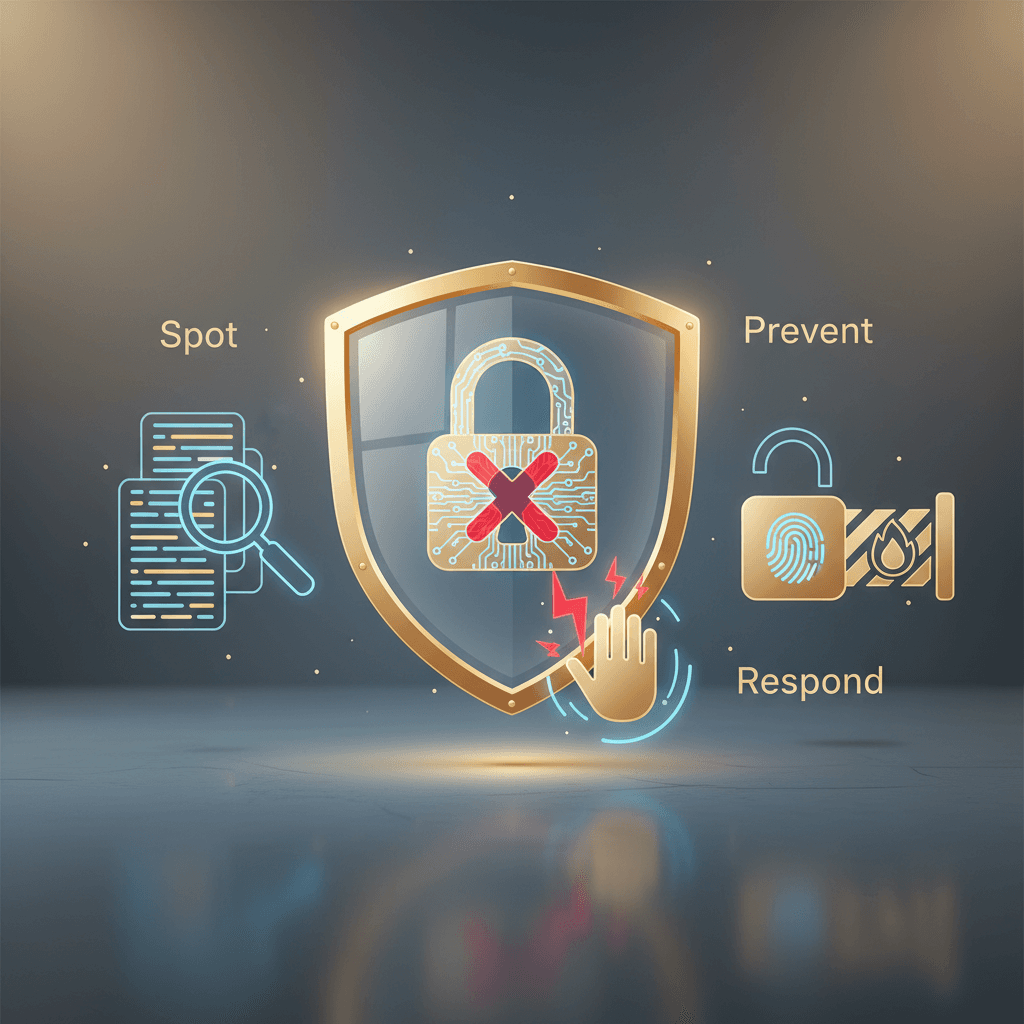
Crypto account takeover scams target ordinary users—people just trying to manage their coins or make a trade. The impact can be severe: a hacker gains access to your crypto exchange, wallet, or custodial account, locks you out, and drains your funds. While stories about complex hacks and technical exploits make headlines, most real-life account takeovers succeed through everyday weaknesses: reused passwords, phishing links, and weak device security.
This guide breaks down how these scams work, the most common entry points, and—most importantly—how you can spot red flags, reduce your risk, and respond if it ever happens to you. Whether you hold a little or a lot of crypto, these safety basics matter. Let’s make your account a much harder target.
What Is a Crypto Account Takeover Scam?
A crypto account takeover scam happens when someone gains unauthorized access to your cryptocurrency exchange, wallet, or other crypto-related accounts. Unlike simple thefts from connected wallets, these scams focus on capturing your login credentials or bypassing your security measures to take over full control of your account.
Once inside, scammers can transfer your funds, alter account information, or sabotage your access altogether. Sometimes, you won’t even realize your account is compromised until you’re locked out or notice missing funds.
These attacks don’t always require sophisticated hacking. Often, the path in is as simple as guessing a weak password, finding leaked credentials from a previous data breach, or tricking you into revealing your login details.
- Scammers may use phishing emails or fake websites to harvest your credentials.
- Password reuse across sites makes it easier for attackers to access your account.
- Two-factor authentication (2FA) without good backup practices can still be bypassed or cause lockouts.
- Social engineering—like pretending to be support staff—can trick you into sharing sensitive info.
Common Ways Crypto Accounts Are Compromised
Recognizing how attackers break into accounts is half the battle. Most crypto account takeovers boil down to one (or more) of these common weaknesses:
Phishing remains the number one entry point. You might receive fake emails or messages that impersonate your exchange or wallet provider, luring you into entering your credentials on a convincing but fraudulent website.
Credential stuffing attacks are also frequent. If your email and password appear in a public data breach from another site, attackers may try those same details on major crypto exchanges and wallet services.
Device compromise is another major vector. Malware, keyloggers, or even unsecured Wi-Fi connections can allow cybercriminals to harvest your login data as you type it in. Some attackers may even take over your phone number via SIM swap to intercept 2FA codes sent by SMS.
- Phishing emails (fake login pages, urgent support claims).
- Leaked passwords reused across crypto and non-crypto accounts.
- Malware or keyloggers compromising desktops or mobile devices.
- SIM swap attacks aiming to steal SMS 2FA codes.
- Social engineering targeting customer support to reset your account.
Red Flags: Signs That Your Account May Be Under Attack
Early detection makes a huge difference. Account takeover scams often show warning signs before major damage is done. If you notice any of the following, don’t ignore them—they’re often the first indication that someone is trying to compromise your funds.
Suspicious login alerts from unfamiliar locations or devices are near the top of the list. Many exchanges and wallets will email or notify you when a new login occurs, giving you a critical window of time to react.
Other red flags include unusual password reset emails, sudden 2FA code requests you didn’t make, or sudden logout events during active sessions. Insecure or unexpected changes to your account settings (like email or phone number updates) are also strong signs of takeover.
- Login alerts from locations or devices you don’t recognize.
- Unsolicited password reset emails or 2FA notifications.
- Being locked out of your account or seeing a changed email address.
- Unfamiliar withdrawal requests or completed trades you didn’t initiate.
- Customer support communications you did not request.
How to Strengthen Your Crypto Account Security
Good account hygiene is your best defense. Strong, unique passwords combined with robust two-factor authentication (where possible) make most takeover attempts vastly harder. Here is what you should do to secure your accounts—and why each step matters:
Start by creating a password that’s unique to your crypto accounts and follows modern security standards. Never reuse crypto logins for other websites. Use a reputable password manager to keep track of your credentials—this also helps you spot compromised or reused passwords quickly.
Always enable two-factor authentication (2FA), ideally using an authenticator app (like Google Authenticator or Authy) rather than SMS, since text messages can be intercepted. Back up your authenticator with secure offline backup codes (not just on your phone, which can be lost or stolen).
Routinely review your exchange or wallet’s security settings. Many platforms allow you to whitelist withdrawal addresses, review session history, and set up additional protections for withdrawals or changes to account details.
- Create long, unique passwords for each account—don’t reuse logins.
- Store passwords in an encrypted password manager, never in plaintext.
- Enable 2FA using an app, not SMS if possible, and securely back up recovery codes.
- Whitelist withdrawal addresses where possible.
- Regularly check your login and withdrawal history for unrecognized activity.
- Never share authentication codes or recovery seed phrases with anyone—including “support.”
Practical Steps to Prevent Account Takeover Attempts
Beyond strong passwords and 2FA, there are additional practical habits that reduce the risk of account takeover:
Keep your email security tight, since most crypto accounts use your email address as the key to reset passwords or manage 2FA. If an attacker gains your email, they can often reset your crypto credentials as well.
Make sure your computer and phone are always updated, run reputable antivirus software, and avoid downloading unknown apps—malware can steal credentials silently. Never click links from suspicious emails or messages, even if they look convincing.
Be especially wary of unsolicited support contacts, urgent requests, or messages claiming your funds are at risk—these often pressure you to reveal information or click phony recovery links.
- Use a dedicated, unique email account just for crypto if possible.
- Set up strong 2FA for your email account.
- Keep operating systems and apps up to date with security patches.
- Avoid logging in over public or unsecured Wi-Fi networks.
- Verify links and sender addresses before clicking or responding.
- Educate friends and family who may share your devices or internet connection.
What to Do if You Suspect a Compromise
If you notice suspicious activity or believe your account has been compromised, fast action is crucial. The earlier you act, the better your chances of recovering your funds or keeping more from being stolen.
Immediately change your password—ideally from a device you know is secure. Next, check your 2FA settings: reset or re-enable authenticator apps, and ensure your recovery codes or backup methods have not been altered. Notify the support team of the affected service at once—most exchanges have emergency lines for suspected hacks.
Quickly check for unauthorized withdrawals or changes to account settings. If possible, freeze withdrawals while your account’s security is being reviewed (some exchanges offer this feature). Consider notifying your email provider too, in case your email was part of the compromise.
- Change your account password immediately from a safe device.
- Check and reset your 2FA settings.
- Contact exchange or wallet support and provide evidence of suspicious activity.
- Review and, if possible, freeze withdrawals or lock your account temporarily.
- Change passwords for your associated email account too.
- Document all activity in case you need to file a police report or complaint.
Long-Term Recovery and Damage Control After an Account Takeover
Even after a compromise is resolved, there are important steps to reduce future risk and recover from any losses. Begin by reviewing all your devices for malware. Run full antivirus scans, change other sensitive passwords, and consider reinstalling operating systems if you suspect a persistent malware infection.
Assess your other financial and crypto accounts for signs of intrusion—attackers often try known credentials across multiple platforms. Inform your contacts if you suspect your account may have been used to send scam links or requests.
When reporting losses to platforms or authorities, provide as much detail as possible, including screenshots, email headers, and transaction IDs. Most losses from account takeovers are hard to recover, but prompt reporting can sometimes help halt withdrawals or flag fraud.
- Scan all devices for malware before logging in again.
- Change all related passwords (not just for the compromised account).
- Alert your contacts if your account was used for scams.
- File police or regulatory reports with detailed evidence, if appropriate.
- Regularly review your accounts for unauthorized activity in the months after an incident.
Frequently asked questions
Can I recover stolen crypto from an account takeover?
Sadly, most stolen crypto is quickly moved through exchanges or laundered, making recovery difficult. However, reporting promptly to your platform can sometimes freeze withdrawals or help block further theft. Detailed evidence (timestamps, IPs, transaction hashes) improves your chances when working with platform support or law enforcement.
Is authenticator app 2FA really safer than SMS codes?
Yes, using an authenticator app is more secure than SMS. SMS codes can be intercepted through SIM swap attacks, while authenticator apps are tied to your physical device and harder to compromise remotely. Wherever possible, choose app-based 2FA and securely back up your recovery codes offline.
What should I do if a scammer impersonates platform support?
Never share your password, 2FA codes, or recovery phrases with anyone claiming to be support—even if they use convincing emails or social media accounts. Genuine support staff will not ask for this information. Always contact your platform directly using official channels.
Conclusion
Crypto account takeover scams succeed when we underestimate how attackers really operate: not through wild technical feats, but through overlooked habits and rushed decisions. By staying alert to red flags, using fundamental security practices, and knowing how to react if an attack happens, you make your crypto account a significantly harder target.
Account security isn’t a one-time job—it’s an ongoing habit. Review your settings, educate yourself about the latest scams, and check your defenses regularly. The aim isn’t to be invincible, but to make your accounts too risky and time-consuming for the average scammer to bother with.
Related reading
- How to Identify and Avoid Cryptocurrency Phishing Scams
- Red Flags: How to Spot a Cryptocurrency Rug Pull Before It Happens
Disclaimer: This content is for educational purposes only and should not be considered financial or investment advice. Always do your own research before making financial decisions.