
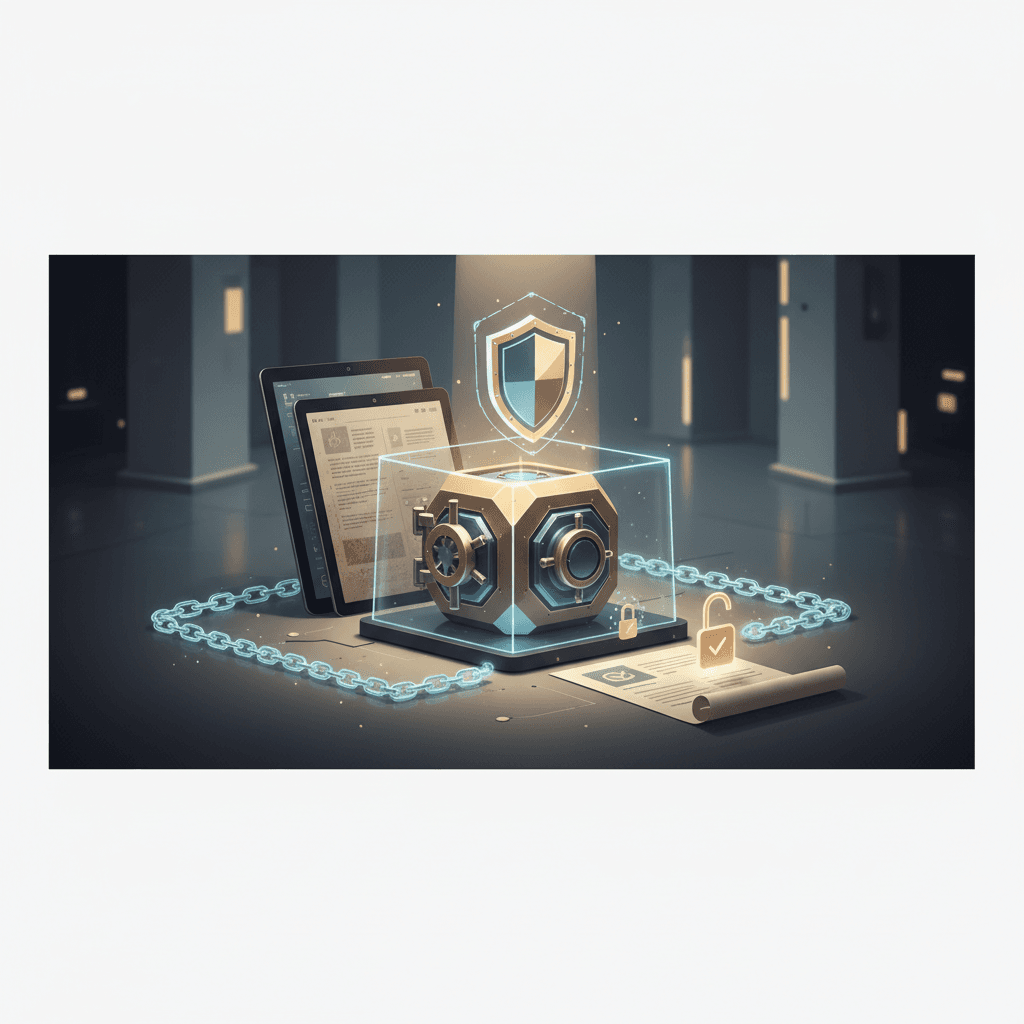
The idea of backing up your crypto wallets, passwords, and recovery seeds isn’t new—but what often goes overlooked is how easy it is for a poorly protected backup to become your weakest link. Whether you’re an everyday user or a long-term investor, understanding how to securely create and store crypto backups is foundational to your overall security strategy.
If your phone disappears, a laptop fails, or you fall victim to malware, your backup may be your only path to recovery. But if those backups are accessible to thieves or vulnerable to disasters, you could lose everything anyway. This guide walks you through the concrete steps and decisions for crypto backup safety, from secure creation to confident long-term storage.
Why Crypto Backups Matter—and What to Back Up
Cryptocurrencies and the wallets that store them don’t have customer support you can call for help if you lose access. Your backups are often the last line of defense between you and permanent loss. But there’s more to a good backup strategy than just copying down a seed phrase.
What actually needs backing up? It depends on your usage, but most crypto users will need to back up their wallet recovery phrases, private keys, and sometimes password managers or app-specific credentials. Traders using multiple services may also need backup plans for exchange login credentials or two-factor authentication recovery codes.
Without these, restoring access to your holdings in the event of device damage, theft, or software failure can become impossible.
- Wallet recovery seed phrases (often 12 or 24 words)
- Private keys for non-custodial wallets
- Password manager vaults or master passwords
- Crypto exchange backup codes (for 2FA or account recovery)
- Lists of wallets and services you use, updated as needed
The Right Way to Create Secure Crypto Backups
Making a secure backup isn’t just about writing something down. Each step, from generating your backup to handling and copying it, can introduce risks. For example, taking a screenshot of your seed phrase and storing it on your phone is faster, but opens you up to hacking, malware, or cloud leaks.
The best practice is to create your backup offline, in a private environment, without exposing it to internet-connected devices. Use pen and paper or a purpose-designed backup device like a metal seed plate. Never store critical backup information in plain text documents, screenshots, or unsecured notes—even temporarily.
Double-check the information for accuracy and completeness, and avoid reading your phrase aloud or photographing it.
- Generate backups in a private, offline setting—never on public Wi-Fi or shared networks
- Use physical media (paper or engraved metal) instead of digital files, if possible
- Double-check legibility and accuracy of every word or key
- Never email or text your backup to yourself or others
Physical vs. Digital Backups: Risks, Benefits, and Best Practices
Crypto users often debate between physical (paper or metal) and digital backups (encrypted files, cloud storage). Each approach has unique risks and strengths, and many security-conscious users combine both for redundancy.
Physical backups are easy to understand, immune to most cyberattacks, and can survive device failures. However, they’re at risk from fire, water, theft, or simply being lost. Metal backups are more durable than paper and can withstand disasters that would destroy regular backups.
Digital backups are more convenient and can be duplicated for geographic redundancy, but require strong encryption and careful handling. A digital backup on an unsecured USB drive or stored unencrypted in the cloud can be stolen by hackers in seconds.
- Physical: paper is easy, but fragile and vulnerable to fire/flood; metal is durable but can be targeted if discovered
- Digital: encrypted USB drives or password manager vault exports can be safer if stored correctly
- Cloud storage only as a last resort—and never without strong encryption, unique passwords, and 2FA
How to Store Crypto Backups Safely—at Home or Offsite
Simply creating a backup isn’t enough; where and how you store that backup dramatically impacts your safety. Homes are vulnerable to fire, flood, or burglary, while some offsite storage options (like safety deposit boxes) raise their own access and privacy challenges.
Consider separating backups from your primary device and from each other, keeping at least one copy in a physically secure but geographically distinct location. For most users, a locked, hidden safe is a minimum. For high-value or important long-term holdings, using a secure safe deposit box or trusted third-party vault can add another layer of insurance.
Don’t overlook the need to occasionally check on—and test—your backup. Paper fades, safes can break, and access procedures can be forgotten.
- Keep paper or metal backups in locked, hidden safes or offsite secure storage
- Avoid obvious hiding places like desk drawers or under mattresses
- If using a safety deposit box, document needed access steps and consider who else could access the box legally
- Review and refresh backups annually to catch degradation, loss, or changes in your security setup
Protecting Backups from Theft, Disaster, and Loss
Even the best backup is useless if it’s stolen or destroyed. As more stories emerge about criminals targeting crypto holders for their backup materials, you need to treat your backup’s physical and informational security as a high priority.
Be stingy with knowledge of where your backups live—don’t tell friends or post about your storage methods online. If others must know where your backup is (such as a trusted family member), consider splitting pieces of the backup in multiple locations or using cryptographic ‘sharding’ tools to require more than one piece to restore access.
To protect against fire or flooding, strong safes (rated for both fire and water resistance) and metal backup tools can provide peace of mind. Never label your backup in a way that announces its importance (like writing ‘wallet backup’ or ‘crypto savings’ on an envelope).
- Disguise backups (avoid obvious labels or overt crypto references)
- Limit who knows the location or existence of your backup
- Consider backup ‘sharding’ for ultra-important wallets (splitting recovery across multiple trusted people/places)
- Use safes rated for both fire and water resistance
Managing Backup Access: Who Should Know and Why
A backup no one can find isn’t useful, but too many people having access opens the door for accidents, theft, or disputes. Decisions about sharing your backup information depend on your personal circumstances, family, and the value and role of your crypto holdings.
For most individual users, keep your backup location to yourself or share only with a spouse or very trusted person, ideally with instructions left in your estate documentation for emergencies. For business or shared assets, a more formalized process (such as multi-signature wallets with backup recovery plans) is necessary.
Sharing access means sharing risk, so use written instructions and tamper-proof envelopes, and update whenever your situation changes.
- Keep backup access limited to those who truly need it
- Document and securely store written recovery instructions
- Review who has authorized access after any major life changes (such as moving, marriage, or business changes)
- Consider legal and estate planning for long-term crypto holdings
Routine Backup Maintenance: Checking, Updating, and Retiring Old Backups
Just as you might test your smoke detectors, your crypto backup needs routine inspection. As you add wallets, change devices, or rotate your keys, your original backup could go stale or miss critical data. A forgotten, out-of-date backup may give false confidence but offer no recovery at all.
On a regular schedule—such as every six to twelve months or after any security update—review all your backup materials. Verify their accuracy, legibility, and completeness. Retire or securely destroy outdated versions so there’s no confusion in case of an emergency.
If you ever regenerate a new seed phrase (for example, due to a suspected breach or device change), treat the old backups as potentially compromised. Shred paper copies or fully melt or obliterate metal backups if discarding them.
- Set calendar reminders to check your crypto backups periodically
- Test recovery processes with practice restores (without actually moving funds, when possible)
- Destroy old, superseded backups thoroughly to prevent confusion or leaks
- Update your backup list as you add new wallets, devices, or services
Frequently asked questions
Should I use a password manager for my crypto backups?
Password managers can be part of a crypto backup plan, especially for securely storing complex passwords and backup codes. However, your wallet’s main recovery seed or private key should not be the only copy stored in a digital vault. Always create a physical (paper or metal) backup as an offline safeguard. If you do use a password manager, make sure it’s from a reputable vendor, uses strong encryption, and you have a plan for recovery if you ever lose access to the manager itself.
Is it safe to store crypto seed phrases in the cloud?
Storing seed phrases or private keys in plain text in the cloud is highly risky. Even strong passwords and 2FA can be bypassed by advanced attackers or through data breaches. If you must use cloud storage, only do so with strong encryption (use an encrypted container or advanced password-protected archive), never store unencrypted keys or phrases, and always use offline backups in addition.
How can I make sure my family can access my crypto if something happens to me?
Plan ahead by documenting backup locations, access instructions, and necessary passwords in clear, secure written form. Store this information somewhere that only trusted family (or your executor/legal trustee) can reach, like a sealed envelope in a safe deposit box, with guidance in your will or estate documentation. For high-value holdings, consult an estate planning attorney familiar with digital assets.
Conclusion
Backing up your crypto isn’t just about copying down a string of words; it’s a proactive process that demands attention, planning, and periodic review. When done right, a secure backup strategy shields you against device loss, accidents, or cyberattacks—but when mishandled, backups can also become the doorway for your assets to be stolen or lost forever.
Start by listing what needs backing up, create your backups securely, and store them with the same seriousness you’d apply to actual cash or vital documents. Reevaluate your approach as your holdings, habits, or life situation evolves. A reliable, private, and up-to-date backup is the single biggest favor you can do for your future self in the unpredictable world of crypto.
Related reading
- Crypto Security Hygiene: Foundational Habits Every User Needs to Master
- Crypto Email Safety: Protect Your Digital Assets from Phishing and Email-Based Attacks
Disclaimer: This content is for educational purposes only and should not be considered financial or investment advice. Always do your own research before making financial decisions.