
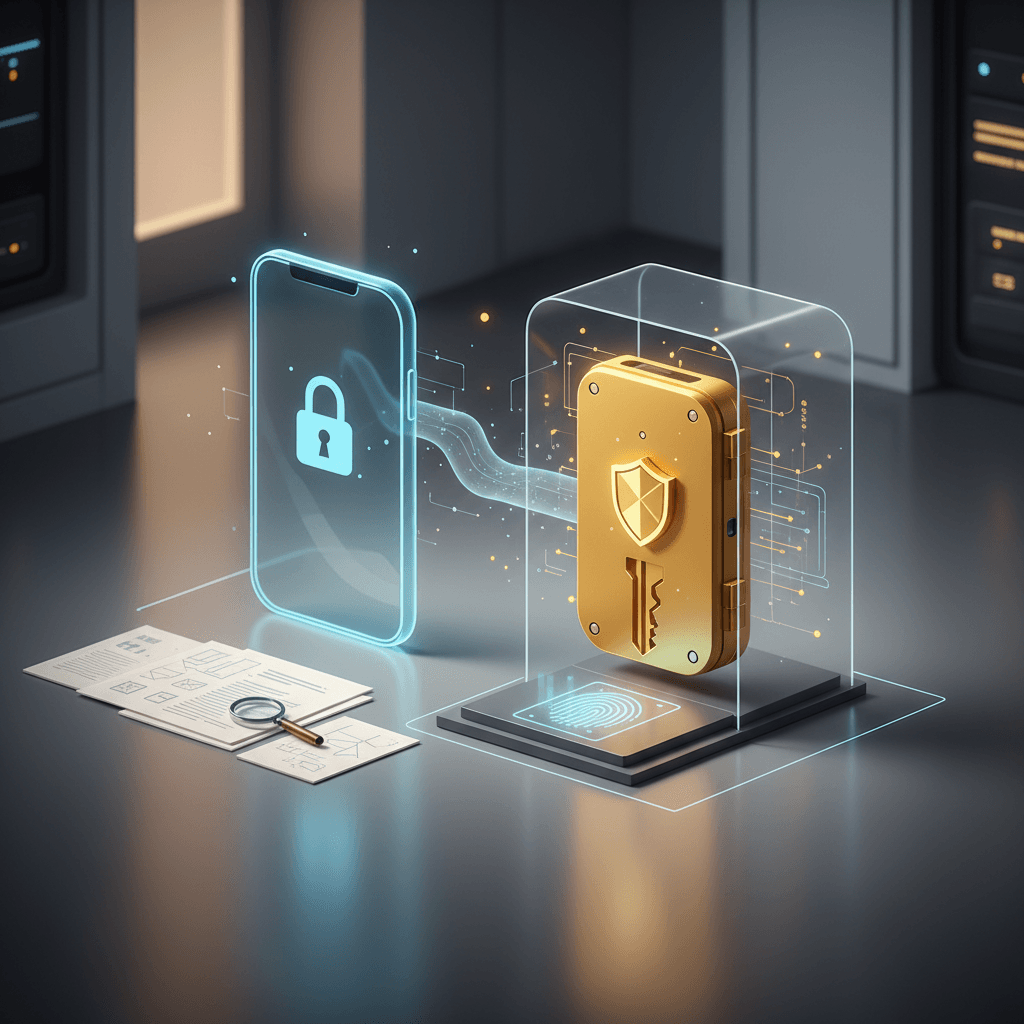
The security of your cryptocurrency holdings depends heavily on how you store and access your coins. For most beginners, terms like "hot wallet" and "cold wallet" can feel confusing or even intimidating. Yet, understanding the difference between these storage methods is a practical first step toward keeping your funds safe.
Whether you’re trading crypto occasionally or holding assets long-term, knowing the strengths, weaknesses, and real-world risks of each option means you can make more informed decisions and avoid common mistakes.
What Are Hot and Cold Crypto Wallets?
At its core, a crypto wallet is a tool that stores your private keys—the digital keys you need to access and spend your cryptocurrency. There are two broad categories:
Hot wallets are connected to the internet. These include mobile wallets, browser extensions, desktop wallets, and custodial exchange wallets. They’re designed for convenience, fast access, and day-to-day use.
Cold wallets, on the other hand, are offline. The most common are hardware wallets (physical devices), paper wallets (physical printouts or written keys), or even air-gapped computers. Their main advantage is that they are much less vulnerable to hacks and online malware because they never expose your private keys to the internet.
Both types have their place—but knowing when and how to use each is where real-world safety comes in.
- Hot wallets: Always internet-connected, accessible from your phone or PC
- Cold wallets: Kept offline, not directly exposed to online attacks
- Exchange wallets: Technically hot, though managed by the provider
- Hardware wallets: The most popular full-featured cold storage device
Everyday Safety: When a Hot Wallet Makes Sense
Hot wallets are ideal for storing small amounts of crypto that you plan to use regularly—like spending money kept in your digital wallet. They’re quick and convenient. Apps on your phone and browser wallet extensions give you instant access to your funds for trading, sending, or paying.
However, by being online, they’re always at greater risk of malware, phishing, or hacking attempts. If your device is compromised, so is your crypto. That’s why it’s not smart to keep your entire savings in a hot wallet.
For most people, the rule is simple: Keep only as much in a hot wallet as you’re comfortable losing in the event of a breach. Think of it as your cash-on-hand, not your life savings.
- Best for small, routine transactions or active trading
- Quick access, easier to recover if paired with strong backup habits
- Less secure against device malware or phishing
- Should never hold large, long-term savings
Long-Term Security: When a Cold Wallet Is the Safer Bet
Cold wallets are considered the gold standard for long-term crypto storage. By isolating your private keys from the internet, you significantly reduce your exposure to remote hacks, malware, and most digital threats.
Hardware wallets, made by companies like Ledger or Trezor, have become the most popular cold wallet type for individuals. They store keys securely and require physical confirmation for transactions. This makes unauthorized access much harder—even if someone steals your laptop, they can't move your crypto without the device and your PIN.
Paper wallets, though cheap and offline, have their own risks—like being lost, damaged, or misread. Hardware wallets, considered more robust, have additional backup and security features.
Cold wallets do take extra effort for setup, recovery, and use. But for amounts that would truly hurt to lose, they’re almost always worth it.
- Ideal for large balances or coins you don't plan to move soon
- Immune to most online hacks and malware
- Lower convenience: need to plug in or access special device
- Requires careful backup and secure PIN/passphrase management
Concrete Risk Scenarios: Hot vs. Cold Wallets in the Real World
To make these differences less abstract, let’s look at some real-life situations and how each wallet type reacts:
If your phone with a hot wallet app is stolen and you don’t have a strong PIN or biometric lock, the thief might access your crypto. But if you only kept small spending amounts there, the loss is limited.
If you accidentally download malware on your PC and it targets your hot desktop wallet, your private keys could be compromised without you knowing.
With a cold wallet, like a hardware device kept in a safe place, remote digital theft is highly unlikely. The main risk is physical loss, theft of the actual device, or damage to it and its recovery backup (like your seed phrase). Without those, your crypto could be lost forever. But most attackers can’t access your funds remotely unless they physically steal both the hardware and your secrets.
- Hot wallet main risks: Malware, phishing, device theft, accidental leaks
- Cold wallet main risks: Physical loss, fire/flood damage, lost recovery info
- Both: User error (forgetting PINs, deleting wallet backups, insecure backups)
Practical Steps: How to Choose and Use Each Wallet Safely
Choosing the right wallet isn’t just about technology—it’s about matching your habits, risk tolerance, and how much you stand to lose. Most people benefit from using both types: a hot wallet for daily use, a cold wallet for storage.
Before picking any wallet, make a list: What will you use it for? How much are you storing? Do you move funds often? Are you comfortable with tech? The answers will guide you.
Whatever you choose, some universal safety tips apply. Always set strong passwords and device pins. Enable two-factor authentication where possible. Keep recovery phrases offline, never stored digitally. Review your wallet’s permissions and connected devices regularly. And above all, back up your wallet to a secure, separate location.
- Split funds: Big balances in cold storage, small amounts in hot wallets
- Verify wallet origin and authenticity before installation or purchase
- Never share or photograph recovery seed phrases
- Consider multisig wallets for extra layer of security on cold storage
Checklist: Reducing Common Mistakes With Wallet Storage
Here’s a straightforward checklist to help everyday users avoid the most frequent—and painful—wallet security slip-ups. Print it out, or keep it on-hand when setting up, updating, or backing up your wallets.
Prioritize these to strengthen your crypto storage, no matter which wallet you pick.
- Never keep life savings or large balances on a hot wallet or exchange wallet
- Always store recovery phrases securely offline (not on your phone or computer)
- Test recovery with small amounts before making large deposits
- Update wallet software and firmware only from the official sources
- Physically secure hardware wallets (lockbox, safe place, not just a drawer)
- Double-check wallets for fakes or tampered packaging before first use
Key Trade-Offs: Security, Convenience, and Costs
Striking the right balance between security and ease-of-use is personal: some users will gladly put up with extra steps to protect larger investments, while others need to move funds on the go. Wallet providers and hardware manufacturers also charge for enhanced features—hardware devices usually cost from $50 to $250.
There’s also hidden "costs" like time invested in setup, learning backups, and practicing safe habits. For very small holdings, elaborate cold storage may not be worth the effort. But if your crypto stake grows, the benefits of stronger storage add up fast.
Changing your mind is fine, too. Many users start with hot wallets, then graduate to cold wallets as their balances (and sense of responsibility) rise.
- Hot wallets: Free or low cost, highest convenience, lowest security
- Cold wallets: Upfront cost and effort, but best long-term protection
- Both systems need good backup routines and safe device habits
Frequently asked questions
Can I use both hot and cold wallets at the same time?
Yes, many crypto users benefit from dividing their holdings between hot wallets for daily access and cold wallets for long-term security. This approach combines the convenience of day-to-day transactions with the safety of offline storage for larger balances.
What happens if I lose my hardware wallet?
If you lose your hardware wallet but still have your recovery seed phrase (written down and stored securely), you can restore your funds to a new hardware wallet. If both the device and the recovery phrase are lost, the funds may be unrecoverable.
Is it safe to keep crypto on exchanges?
Keeping crypto on exchanges is convenient and considered a form of hot storage. However, you rely on the exchange's security practices, and there is added risk from potential hacks or account issues. For significant amounts, moving funds to personal wallets (especially cold wallets) is much safer.
Conclusion
Storing cryptocurrency securely comes down to matching your storage methods to your habits, needs, and how much risk you can tolerate. Hot wallets offer convenience and speed for active use, but their online nature brings real risks—so use them like a checking account. Cold wallets, while less convenient, are your best stronghold for larger or long-term funds.
The routines you develop now—like backing up recovery phrases and splitting funds—are what protect you down the road, more than any gadget or software update. Taking wallet storage seriously is the foundation of every solid crypto safety plan.
Related reading
- Seed Phrase Security: How to Protect, Store, and Recover Your Crypto Safely
- Managing Crypto Wallet Security for Non-Techies: A Real-World Guide
Disclaimer: This content is for educational purposes only and should not be considered financial or investment advice. Always do your own research before making financial decisions.