
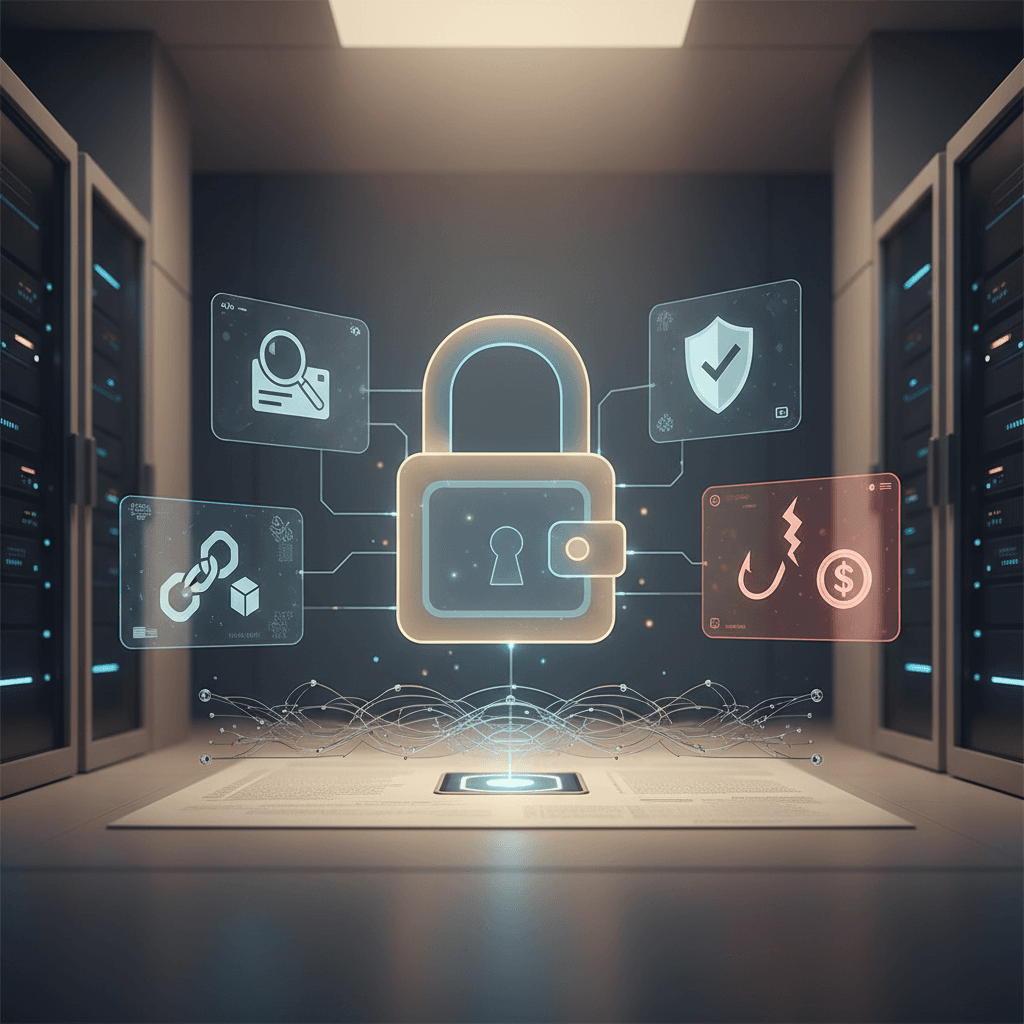
Phishing attacks are a constant threat for anyone using cryptocurrency wallets. Unlike some security risks, phishing specifically targets people—tricking you, rather than hacking your technology. Scammers use convincing tactics to steal your wallet credentials or seed phrases, and the consequences can be devastating. Even experienced crypto users have fallen victim.
With the growing sophistication of phishing attempts, recognizing them and knowing how to respond is one of the most important skills for anyone managing digital assets. In this guide, you’ll learn the main ways crypto wallet phishing works, the red flags to look out for, and simple steps to keep your funds safe.
The goal here isn’t to scare you—it’s to give you knowledge and practical routines that help reduce the risk in your everyday crypto use. Let’s get started.
What Makes Crypto Wallets a Prime Target for Phishing?
Crypto wallets are attractive to scammers because transactions made with them are irreversible. If a thief manages to access your wallet or your private information, you usually have no way of recovering stolen assets. Unlike traditional bank transfers, there’s no central authority to reverse a transaction or dispute a fraudulent charge.
Phishing is a favored method because it goes after people. Instead of breaking through technical barriers, attackers trick you into sharing sensitive information—like your seed phrase, wallet password, or signing a harmful transaction. They know that even tech-savvy users can make mistakes, especially when under pressure or in a rush.
Modern phishing attacks are more targeted and realistic than ever. They often rely on fake websites, impostor customer support, or urgent messages that create a sense of panic. Understanding the motivations behind phishing can help you recognize suspicious scenarios before it’s too late.
- Crypto wallet transactions can't be reversed.
- No customer support lines for easy recovery.
- Seed phrase = access to all funds; if leaked, assets are gone.
- Many scams target people’s emotions (urgency, excitement, fear).
- Attackers often pose as wallet providers, exchanges, or friends.
Common Phishing Techniques Targeting Crypto Wallets
Phishing can take many forms, but a few methods are most prevalent in the crypto world. Scam emails and texts are sometimes generic, but more often now, they’re tailored to look like genuine alerts from a wallet provider, exchange, or even your hardware wallet’s manufacturer.
Fake websites and wallet interfaces trick users into entering sensitive details by closely mimicking legitimate services. Malicious browser extensions, scam mobile apps, and fraudulent messages in social media groups are also frequent.
Understanding the basic tactics empowers you to pause and double-check before entering passwords, seed phrases, or signing a transaction. Here are some of the most common forms:
- Emails or SMS alerting you to 'security issues' or 'account suspension'.
- Fake wallet websites with nearly identical logos and branding.
- Impostor support chatbots or social media accounts offering urgent help.
- Links to fraudulent dApp sites asking for wallet connection or permissions.
- Browser pop-ups or ads appearing for popular wallets.
- Requests to re-enter your seed phrase to 'fix' an account problem.
Warning Signs of a Phishing Attempt
Spotting a phishing attempt can sometimes be tricky, especially when scammers use logos, domain names, and language copied from trusted brands. However, there are recurring warning signs that can help you identify most attacks before you interact.
If something feels slightly off or you feel rushed, always trust your instincts. Phishing attempts often rely on catching you off-guard.
Here are classic warning signs to stay alert for:
- Unusual requests for your seed phrase, private key, or full wallet backup.
- Typos, awkward grammar, or strange formatting in emails and websites.
- Messages urging immediate action to avoid account suspension or loss of funds.
- Links that lead to web addresses with misspelled or extra characters.
- Promises of large rewards, giveaways, or 'limited-time' offers.
- Unexpected messages from 'support' on Discord, Telegram, or other apps.
How to Verify If a Message or Website Is Legitimate
One of the most useful habits you can develop is pausing to verify any request, alert, or support contact—even if it appears urgent. Scammers rely on our instincts to act quickly, so taking a moment to double-check can save you from mistakes.
Always use official sources to verify. Don’t click on links directly from emails, messages, or ads. Type web addresses yourself or use trusted bookmarks. If you receive a support message, go to the official wallet or exchange website and contact them directly using published channels.
If you’re not sure, ask a trusted community or wait before acting. Most legitimate companies never ask for your seed phrase or sensitive information through direct messages.
- Double-check the sender’s email address or social media handle.
- Use search engines to independently find wallet providers’ official sites.
- Compare support messages with the official tone and messaging style.
- For apps, only use verified sources like official app stores or published site links.
- If you feel pressured, take a break and reach out through official channels.
- Regularly check official wallet or exchange channels for scam alerts.
Concrete Steps to Protect Your Crypto Wallet from Phishing
Staying safe doesn’t require complicated tech skills. Most phishing prevention comes down to strong habits and awareness. A little skepticism and a systematic approach will block the vast majority of attacks targeting your wallet.
Here are defensible, practical steps everyone can adopt:
Review these regularly—especially when you change wallets, devices, or trading routines.
- Never share your seed phrase, private key, or backup with anyone, under any circumstance.
- Bookmark official wallet and exchange URLs and always use those.
- Enable two-factor authentication (2FA) on every wallet and exchange that supports it.
- Don’t click on wallet links from emails, messenger apps, ads, or social media posts.
- Inspect URLs closely—look for minor misspellings or suspicious domains.
- Update wallet and browser software regularly to patch known vulnerabilities.
Why Backup and Recovery Procedures Matter in Phishing Defense
Good phishing hygiene includes preparing for the worst-case scenario: what if a phishing attack succeeds? If your wallet is compromised, acting quickly is crucial to minimizing losses and securing any remaining funds.
A strong backup and recovery plan doesn’t just prepare you for accidents—it’s also a critical part of your anti-phishing defense. If you remain alert and prepared, you can still recover access or secure other wallets even after a breach.
Here’s what a good backup and response routine looks like when defending against phishing:
- Keep your wallet backups and recovery phrases in a secure, offline location.
- Never store backups in email, cloud drives, or phone screenshots.
- Create a list of trusted contacts or emergency procedures if you suspect a breach.
- Learn how to move assets quickly to a new wallet if needed.
- Monitor your wallet for unexpected transactions or permissions.
- Familiarize yourself with any recovery or revocation features your wallet provides.
Staying Informed About New Phishing Threats
As scammers get more creative, new phishing threats emerge. Staying updated doesn’t mean you need to become a cybersecurity expert, but occasional awareness checks can make a real difference.
Some wallets and exchanges regularly publish scam alerts or suspicious domain lists. Crypto forums and official social media channels are good sources for up-to-date warnings.
Make it a routine to review wallet provider communications and seek out credible information sources. When in doubt, wait for further confirmation before acting on suspicious messages.
- Sign up for official wallet newsletters or scam alert bulletins.
- Follow your wallet or exchange’s verified social media and community channels.
- Set aside a few minutes each month to check for new or trending scam tactics.
- Report suspected phishing attempts to wallet providers; this helps others stay informed.
- Share reliable scam information with friends and family who also use crypto wallets.
Frequently asked questions
What should I do immediately if I think I’ve fallen for a phishing scam?
If you suspect your wallet credentials or seed phrase have been compromised, transfer any remaining funds to a new wallet as quickly as possible. Reset passwords on associated accounts and notify your wallet provider if they offer support. Change any reused passwords on other platforms. Stay alert for unexpected transactions and consider revoking suspicious wallet permissions if your wallet supports it.
Can wallet providers recover stolen assets from phishing attacks?
In almost all cases, no. Crypto transactions are irreversible, and most wallet providers have no way of reversing or recovering funds lost to phishing. The best defense is prevention, coupled with a fast response to move remaining assets if you detect a compromise.
Is there any way to report or prevent phishing sites from scamming others?
Yes. You can report phishing websites to your wallet provider, browser developers (such as Google Safe Browsing or Microsoft), and relevant law enforcement or anti-scam agencies. Raising awareness in official wallet forums or social media channels also helps warn other users.
Why do phishing attacks often seem so convincing?
Crypto phishing scams are effective because they often copy real branding, use plausible language, and exploit human emotions like fear or excitement. Attackers invest time in making their sites and messages look authentic, which is why careful verification and skepticism are crucial.
Conclusion
Phishing is one of the most persistent and dangerous threats to crypto wallet security. But with the right knowledge and cautious routines, you can greatly reduce your risk—even in an environment where scams keep evolving.
Stay skeptical of unexpected messages, practice safe backup habits, and make use of official channels whenever possible. No tool or software is perfect, but your habits and awareness are a strong defense.
Make caution a regular part of your crypto routine. The best time to get serious about wallet security is now—before scammers target you. Stay alert, informed, and proactive, and you’ll keep your assets much safer.
Related reading
- Crypto Wallet Security for Beginners: Simple Steps to Start Safe and Stay Protected
- Crypto Wallet Migration: How to Safely Move Your Funds Without Losing Security
Disclaimer: This content is for educational purposes only and should not be considered financial or investment advice. Always do your own research before making financial decisions.