
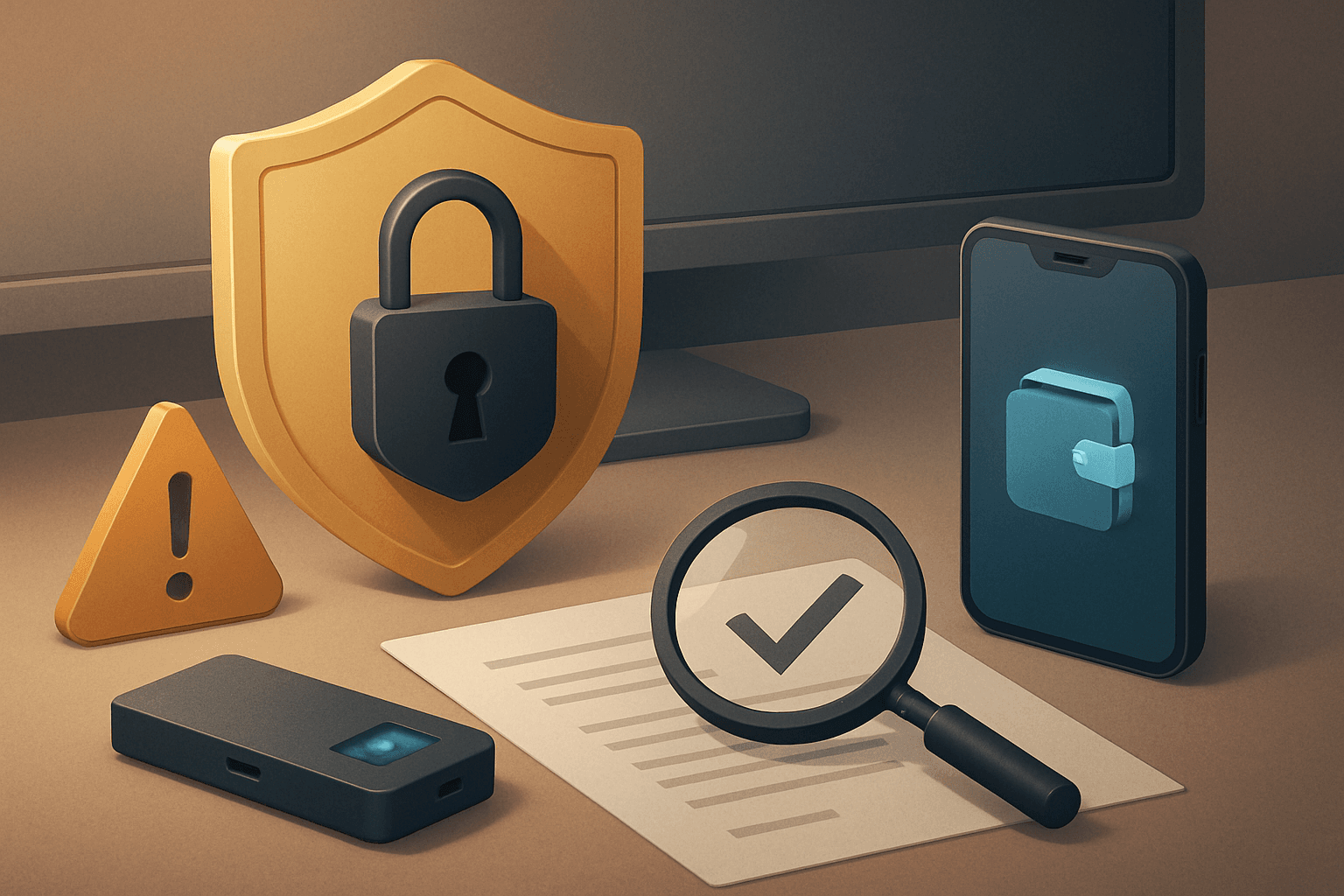
When it comes to cryptocurrency, keeping your assets safe starts with choosing the right type of wallet—'hot' or 'cold' storage. With hacks, phishing scams, and technical mishaps always lurking, understanding the practical differences between these wallet types is a critical piece of your security plan.
But if you’re not sure where to start, you’re not alone. Every crypto user—from first-timers to veterans—has faced the hot-vs-cold question. Each approach comes with its own strengths, weaknesses, and best-use scenarios.
This guide will cut through jargon and hype. We’ll look at how each type of wallet truly works, what risks you’re likely to face, and how to pick a setup that fits your real-world needs, whether you’re a regular trader or just want to hold your coins for the long term.
What Are Hot Wallets? Fast Access with Higher Risks
A hot wallet is any cryptocurrency wallet that’s connected to the internet. This category includes mobile wallets, web-based wallets, browser extensions, and desktop wallet software. Hot wallets are popular with both beginners and daily traders because they are convenient—you can check balances, send, and receive funds quickly, usually with just a password or PIN.
But there’s a trade-off. The very convenience that makes hot wallets appealing also exposes them to greater risk. Online access means potential vulnerability to malware, phishing attacks, exchange hacks, and even browser exploits. If someone gets your password or finds a security hole in the app, your funds could be at risk.
The good news? There are ways to use hot wallets more safely (we’ll cover that later), but it’s important to recognize they should be treated like a checking account: great for everyday use, but not for holding all your wealth.
- Hot wallets are always online and ready for fast access.
- Examples: Mobile apps (Trust Wallet, Exodus), browser extensions (MetaMask), exchange wallets.
- Most hot wallets are free and easy to use.
- More susceptible to online attacks and human errors.
What Are Cold Wallets? Offline Security That’s Harder to Break
Cold wallets, also known as cold storage, are any wallet types that keep your private keys completely offline. Common examples are hardware wallets (like Ledger or Trezor) and paper wallets (where your keys are written or printed out and stored securely). Because they don’t connect to the internet, cold wallets are mostly immune to online hacking attempts.
The main idea: If a hacker can’t reach your private keys, they can’t steal your funds. This makes cold wallets the gold standard for protecting significant amounts of cryptocurrency, especially if you plan to hold (HODL) for the long term.
That said, cold storage is not foolproof. Physical loss, theft, or damage (for example, losing your device, or a house fire destroying your paper wallet) remain real risks. Setting up and using cold wallets can also be less intuitive, especially for beginners.
- Cold wallets are kept offline and disconnected from the internet.
- Examples: Hardware devices (Ledger, Trezor), paper wallets, air-gapped computers.
- Best suited for long-term storage of larger amounts.
- Immune to most remote hacking, but vulnerable to loss and physical theft.
Key Differences: Hot vs. Cold Wallets at a Glance
If you're torn between hot and cold wallets, comparing their strengths and weaknesses side by side can clarify which might fit your needs. While both hold your crypto keys, the way they store and protect those keys is fundamentally different.
Hot wallets favor instant access and easy transaction management, ideal for regular active users or smaller balances. Cold wallets, on the other hand, emphasize security over convenience, making them well-suited for large holdings or coins you plan to leave untouched for months or years.
Here’s a direct breakdown to help you decide:
- Hot wallets:
– Pros: Quick, convenient, no special hardware required.
– Cons: Exposed to internet-based threats, not ideal for storing significant amounts. - Cold wallets:
– Pros: High security, immune to most online attacks.
– Cons: Requires setup and hardware, access is slower.
Real-World Risks: Common Threats to Each Wallet Type
Understanding the actual risks you face can help you make smarter decisions about where (and how much) to store in each wallet type. Too often, traders underestimate their risk until something goes wrong. Here’s what you need to watch out for in real-life scenarios.
Hot wallets remain the primary target for cybercriminals. Phishing emails, malicious downloads, keyloggers, and even fake wallet apps can lead to instant loss if you’re not careful. If your device is compromised—think malware or remote takeover—your hot wallet keys could be stolen before you have a chance to react.
Cold wallets, while largely immune to network attacks, bring a different set of threats. Physical security becomes the priority: loss, theft, destruction, or simply forgetting your PIN or recovery phrase can lock you out forever. Some new users damage or misplace their hardware wallet, not realizing there are no 'password resets' like with online services.
- Hot wallet risks: Online hacking, phishing, malicious apps, weak or reused passwords.
- Cold wallet risks: Physical theft, damage (fire, water, electrical), loss of recovery data, misplacing the device.
Who Should Use Hot Wallets? Scenarios and Practical Examples
There’s no universal answer, but hot wallets generally make sense for those who actively trade, spend, or move their crypto daily. For example, someone who needs to pay for goods and services, rebalance portfolios, or participate in NFT drops may need quick and constant access to their funds.
However, hot wallets should only hold amounts you’re comfortable risking—essentially, your 'spending money.' Just as you wouldn’t keep your life savings in your physical wallet, don’t store all your crypto in a hot wallet.
Everyday users might keep $100–$500 (or an equivalent, based on comfort) in a hot wallet for daily expenses, while the majority of assets remain secured elsewhere.
- Fits people who use crypto regularly and need rapid access.
- Useful for online purchases, small trades, or active dApps interaction.
- Should not be used as primary storage for large holdings.
Who Should Use Cold Wallets? Long-Term Holding and Larger Balances
Cold wallets are the best fit if you plan to hold significant amounts of cryptocurrency over long periods—and don’t need to touch your coins very often. Many long-term investors (the so-called 'HODLers') use hardware wallets to keep their digital assets as safe as possible from online threats.
If you’re already holding more value in crypto than you’d be comfortable losing to a hack, shifting to cold storage becomes important. It's also essential for anyone managing inheritance, company treasury, or pooled/group funds.
The transfer process is slower—often involving connecting the device, entering PINs, and manually confirming transactions—but the extra minutes are a small price for added safety.
- Ideal for storing life savings, investment reserves, or inheritance.
- Suited for users who rarely move their crypto and prioritize security.
- Useful for institutions or anyone managing funds for groups.
Blending Hot and Cold: Building a Personal Crypto Security Strategy
You don’t have to choose just one type of wallet. Many experienced traders and investors use a blend: hot wallets for daily use and cold wallets for long-term storage. This approach spreads out your risk—if one wallet is compromised, most of your funds are still safe.
Think of it like dividing your money between a checking and a savings account: keep spending cash readily accessible, but protect your main stash where it’s much harder for anyone (including yourself by accident) to lose or steal it.
Setting this up doesn’t have to be complicated. Here’s a practical framework for everyday crypto users:
- Hot wallet: Store only what you plan to use or trade in the next few days or weeks.
- Cold wallet: Move long-term capital and rarely-used assets offline for deep storage.
- Regularly review and rebalance how much is in each wallet.
Setup and Safety Checklists for Each Wallet Type
No wallet is completely risk-free, but following some basic safety checklists can dramatically reduce your risk of loss, regardless of the storage method you choose.
For hot wallets, it’s all about securing your devices, using strong passwords, and watching out for phishing. For cold wallets, the focus shifts to backup and physical protection.
Here are concrete steps to get started safely with each:
- Hot Wallet Checklist:
– Download apps only from official sources.
– Use a strong, unique password and enable 2FA if possible.
– Never share your private keys or seed phrase online.
– Regularly update wallet software and your device’s OS.
– Double-check addresses before sending transactions.
– Beware of phishing links and fake wallet apps. - Cold Wallet Checklist:
– Buy hardware wallets directly from the manufacturer (avoid secondhand devices).
– Set up the device in a private, offline environment.
– Write down your recovery phrase on paper or a metal backup (not on your computer or cloud).
– Store backups in multiple, secure physical locations.
– Don’t share or photograph your recovery data; treat it as your keys to the safe. - Both Wallet Types:
– Test a small transfer first before moving large amounts.
– Keep all software updated.
– Stay alert for new types of scams.
Frequently asked questions
Should I use both hot and cold wallets at the same time?
Yes, many experienced users combine hot wallets for everyday use and small balances with cold wallets for long-term or high-value storage. This method balances convenience and safety by limiting how much is exposed to online risks.
Is a hardware wallet the same as cold storage?
A hardware wallet is a popular type of cold storage, but not the only one. Cold storage refers to any wallet kept offline, including paper wallets, offline computers, and hardware devices.
What happens if I lose my hardware wallet?
As long as you have your recovery/seed phrase securely backed up, you can restore your funds on a new device. Without this backup, your coins could be lost forever.
Are exchange wallets considered hot wallets?
Yes, wallets provided by exchanges are generally considered hot wallets because the keys are managed online. Storing large sums on exchanges introduces both platform and online risks.
Conclusion
Choosing the right crypto wallet security method doesn’t need to be overwhelming. The main thing is to match your storage approach with how often (and how much) you plan to use or hold.
Hot wallets provide speed and convenience but carry more online risks—a good fit for small and frequent transactions. Cold wallets put security first, making them best for larger amounts or assets you plan to store and forget.
For most users, a mix of both offers the best of both worlds: practicality for daily activity and peace of mind for long-term security. Take the time to set up your wallets thoughtfully, use strong passwords, and regularly review your balances to keep your crypto as safe as possible.
Related reading
- Seed Phrase Security: Protecting Your Crypto Wallet From Theft and Loss
- The Complete Guide to Securing Your Crypto Wallet
Disclaimer: This content is for educational purposes only and should not be considered financial or investment advice. Always do your own research before making financial decisions.